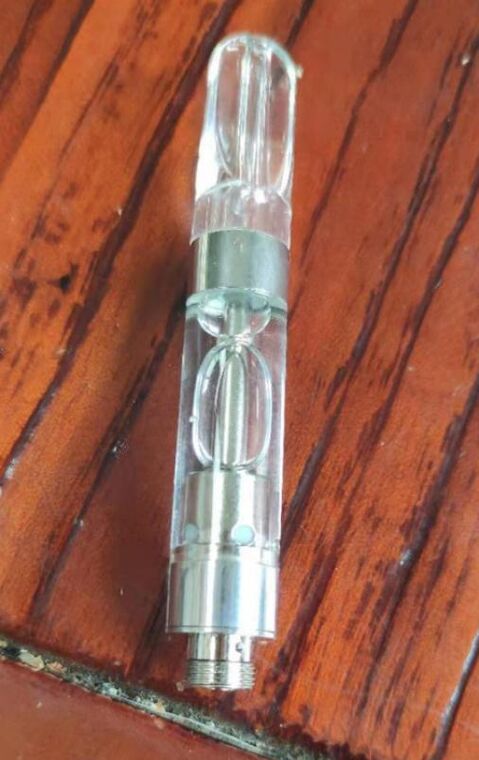
2101 · 510 Cartridge
AISILE · 1.0 ml
- Resistance 1.2 Ω
- Oil inlet 4 × 2.0 mm
- Heating Coil ceramic core
MOQ 5,000
We make hardware for nicotine products. You need to be 18 or older to step inside the house and read the spec sheets.
Age is confirmed again at checkout. We keep no record of this visit.
Ceramic-core cartridges · one factory, Shenzhen
We do not buy cores off a shelf. Every body starts as green ceramic, wound in-house to the resistance on the drawing, seated by hand, and tested before it leaves the bench. Same core across all twelve models — only the capacity and the oil inlet change.
The premise
Most cartridges are a core bought by the drum and press-fitted into a shell. It works, it is cheap, and it is why one in five leaks before the second refill. Nobody upstream can tell you which ceramic it is.
We started in one room in Shenzhen with a winding machine, a kiln and a box of rejected cores. The first usable batch was 300 pieces, and 90 of them failed the resistance check. That rejection rate is the product: we still grade every core, still measure the bore, still pull a sample off each lot. What changed in nine years is the scale — not the checking.
— the founding bench
The collection
Every body is wound and assembled under the same roof: 12 cartridge models, 4 disposables, and the 510 tips and rods that carry them. MOQ 5,000 pcs per colour.
AISILE · 1.0 ml
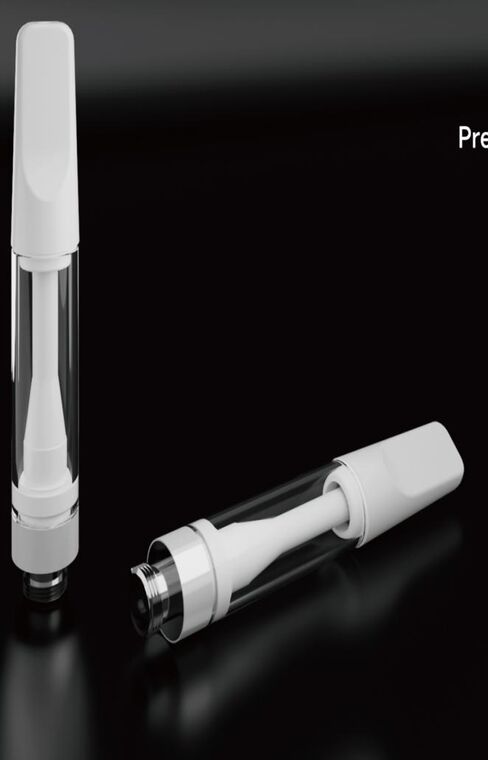
AISILE · 1.0 ml
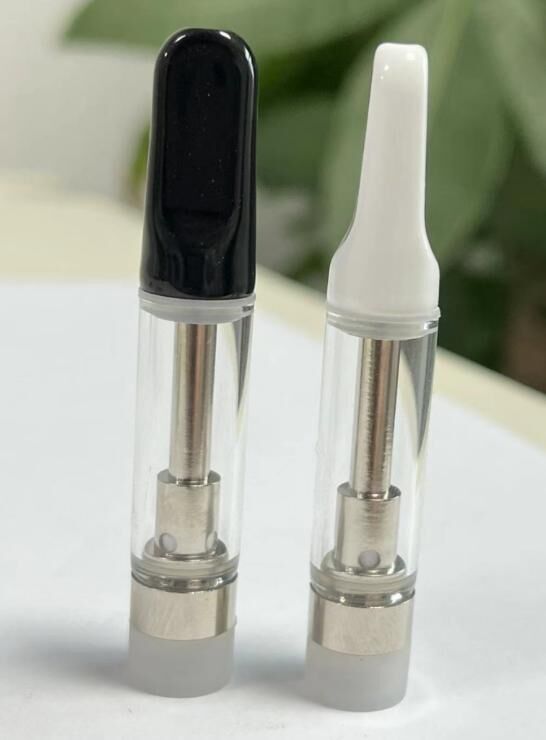
AISILE · 1.0 / 0.5 ml
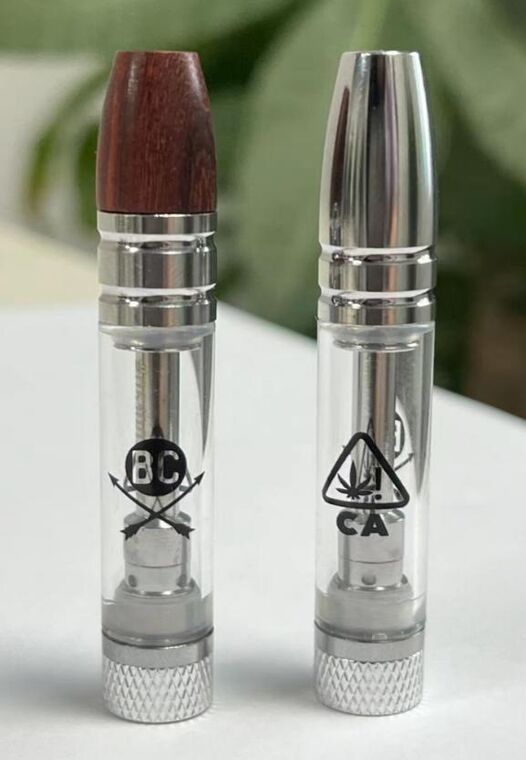
AISILE · 0.8 ml
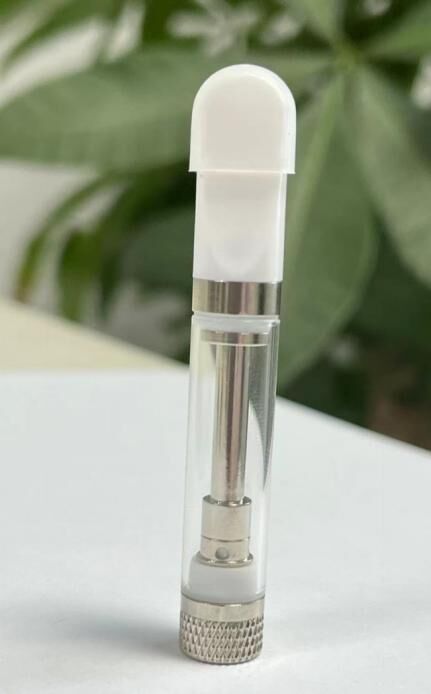
AISILE · 1.0 / 0.5 ml
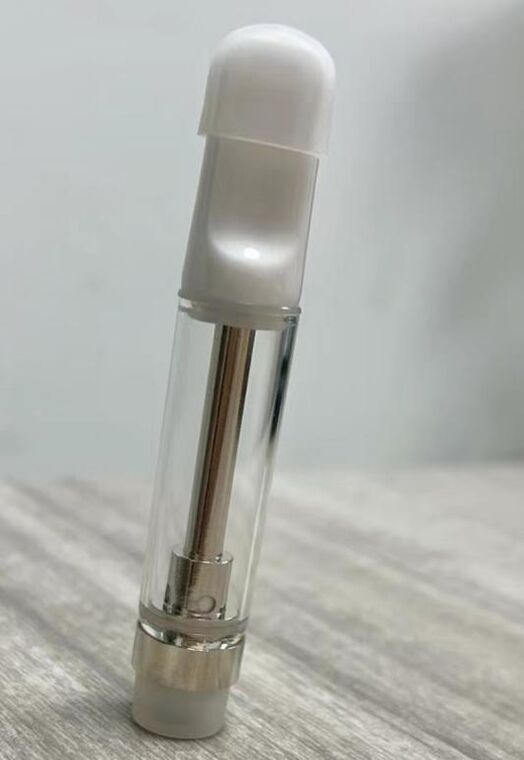
AISILE · 2.0 ml
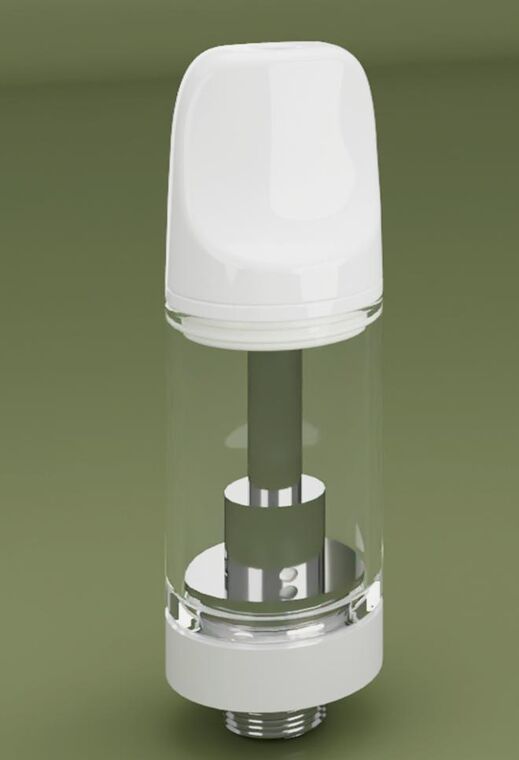
AISILE · 2.0 ml
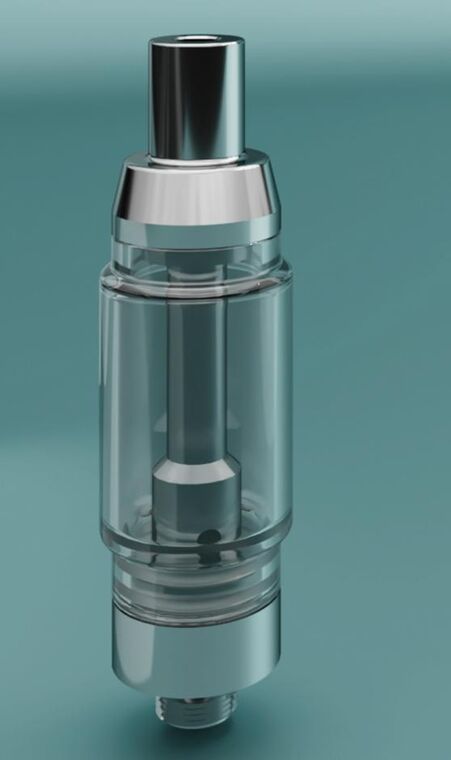
AISILE · 2.5 ml
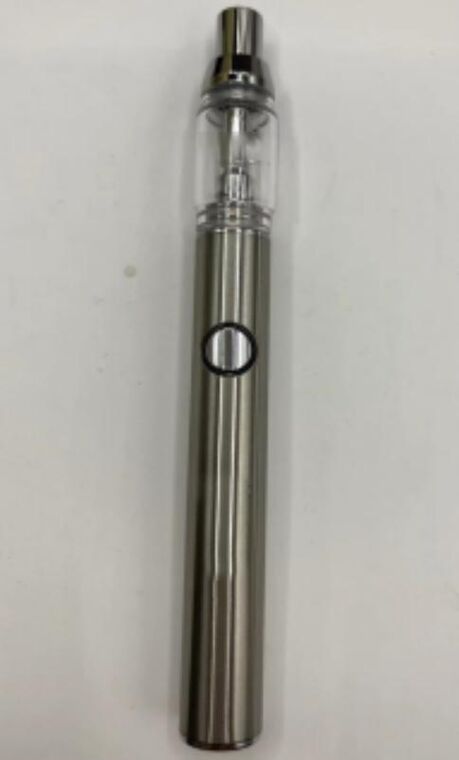
AISILE · 2.0 ml
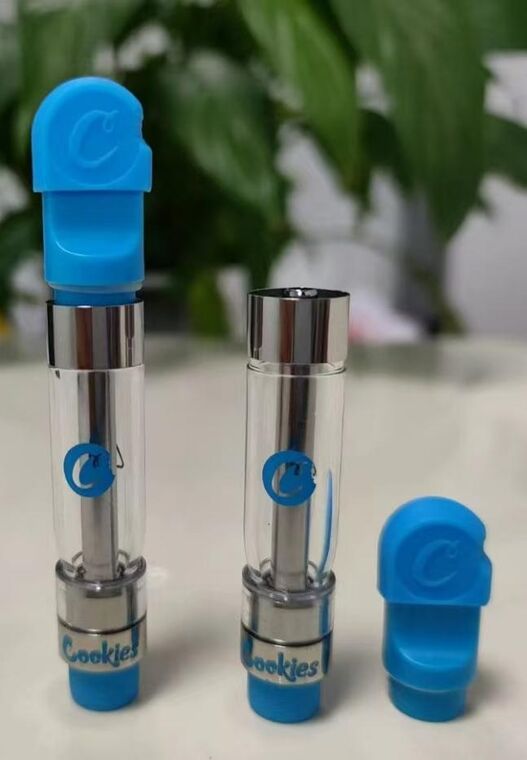
AISILE · 1.0 ml
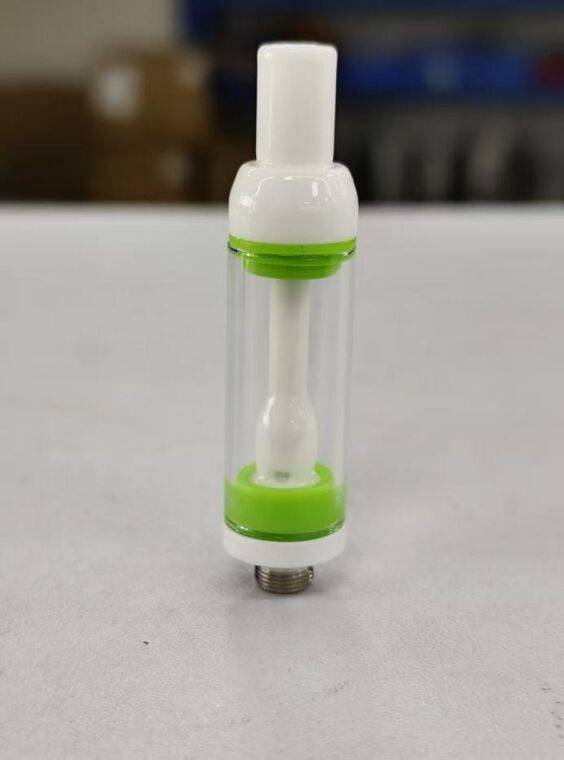
AISILE · 1.0 / 2.0 ml
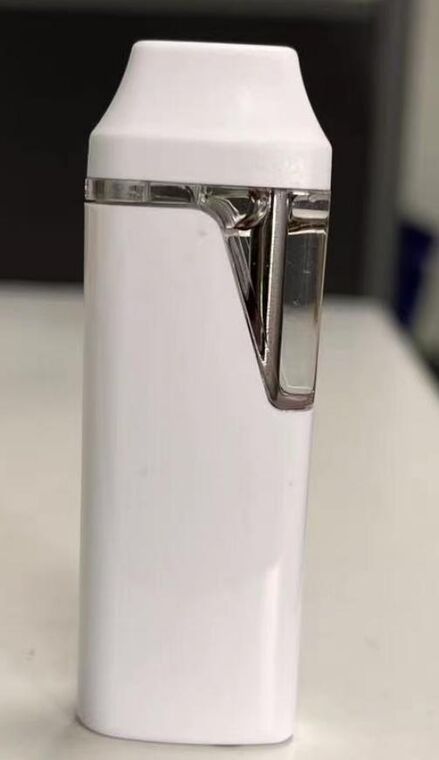
AISILE · 1.0 / 2.0 ml
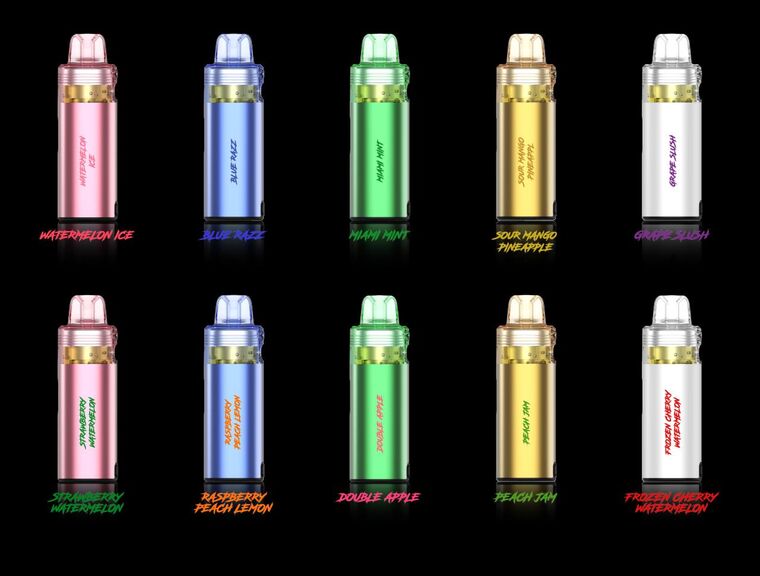
AVN · 36 ml
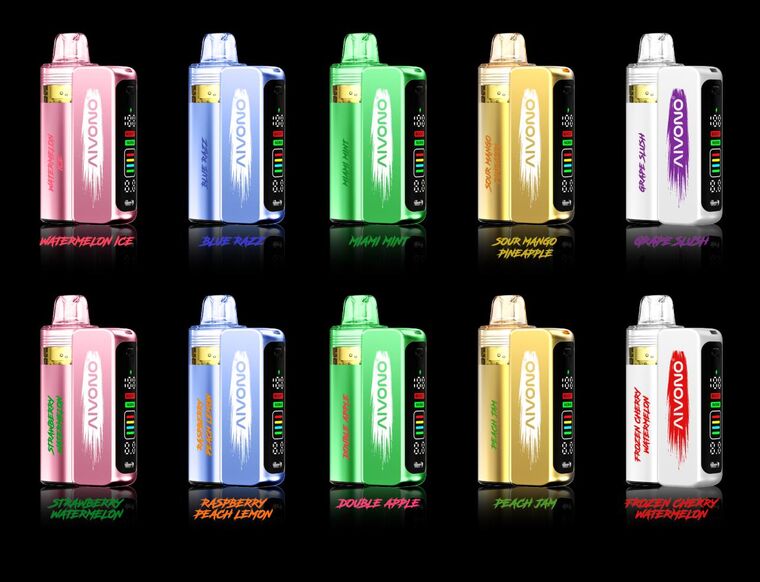
AIM · 58 ml
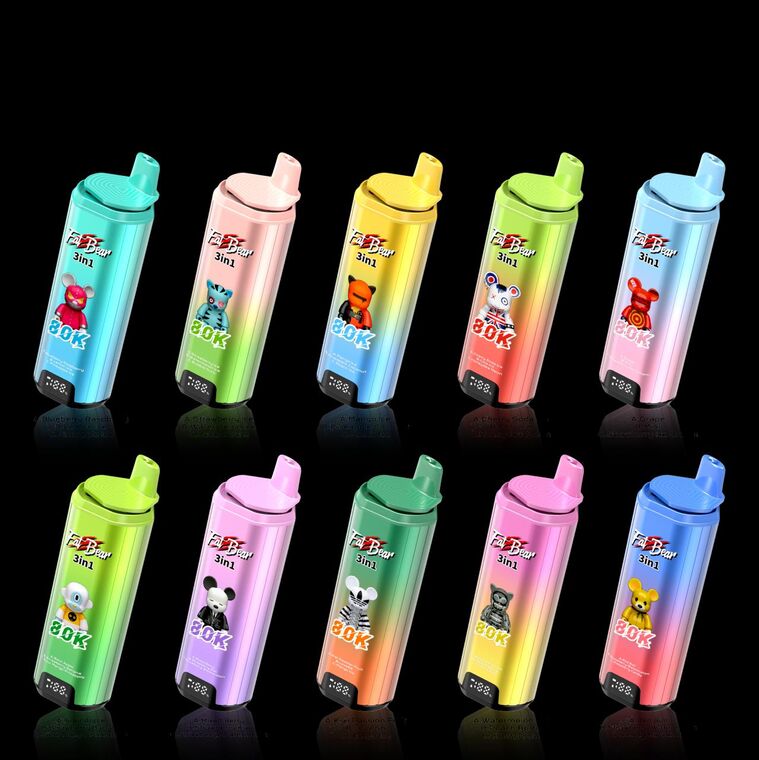
AIM · 58 ml
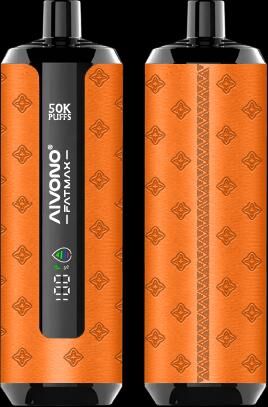
AIM · 30 ml
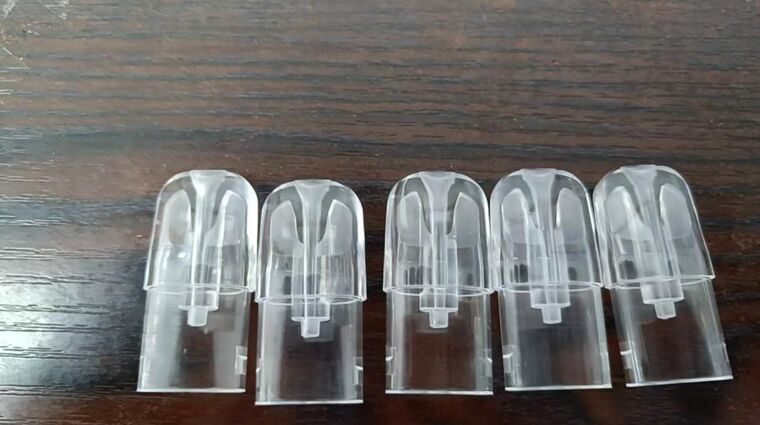
AISILE ·
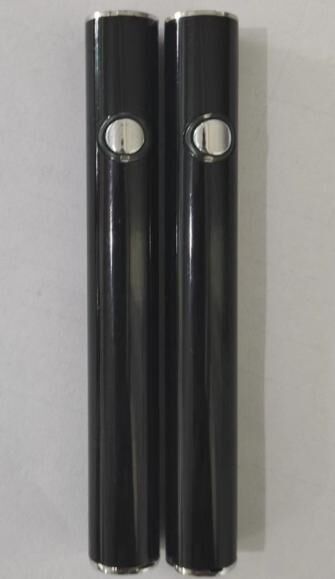
AISILE · 300 mAh
Four checks
Four stages, no shortcuts. The core is the product — everything after it is measuring, seating and testing.
Green ceramic graded by hand. Cores outside the resistance window are rejected before they reach the winder.
Coil wound to the ohmic value on the drawing, then seated into the core. No pre-wound stock, no substitution.
Oil inlet punched to the listed bore, body press-fitted or threaded, tip seated. Every joint is a controlled fit.
Resistance measured on a sample from each lot, leak checked, then counted into the carton by the listed pack-out.
If the resistance holds from the first draw to the last, and nothing comes out of the mouthpiece but vapour — we did the job. If it leaks on the second refill, we did not, and you should send the lot back.
QC note · posted on the bench wall
Spec & lab
Twelve cartridge models, six capacities, one core. Nothing is listed here that is not on the factory quotation sheet — capacity, resistance, oil inlet bore, dimensions and pack-out, model by model.
The spread below is the range as it actually sits: most of it clusters at 1.0 and 2.0 ml, with the 2.5 ml 2208 and the 0.8 ml BC at the edges. That is the shape of the order book, not a marketing ladder.
Dimensions, bore and pack-out for every model are in the range above.
| Capacity | In the range | Share |
|---|---|---|
| 1.0 ml | 3 models | 25% |
| 2.0 ml | 3 models | 25% |
| 1.0 / 0.5 ml | 2 models | 17% |
| 1.0 / 2.0 ml | 2 models | 17% |
| 0.8 ml | 1 model | 8% |
| 2.5 ml | 1 model | 8% |
Notes from the bench
New bodies, new capacities, and the occasional retirement. Subscribers get the spec sheet first — no discount code, just the drawing and the lead time.
We make on one bench in Shenzhen: ceramic cores wound, filled and tested before anything ships. Send your specification and we answer with what we can hold to — capacity, resistance, coil, packing and the price for that volume.